Crown, bridge or implant: which do I actually need?
Cadbury Dental team5 min readPublished Last updated
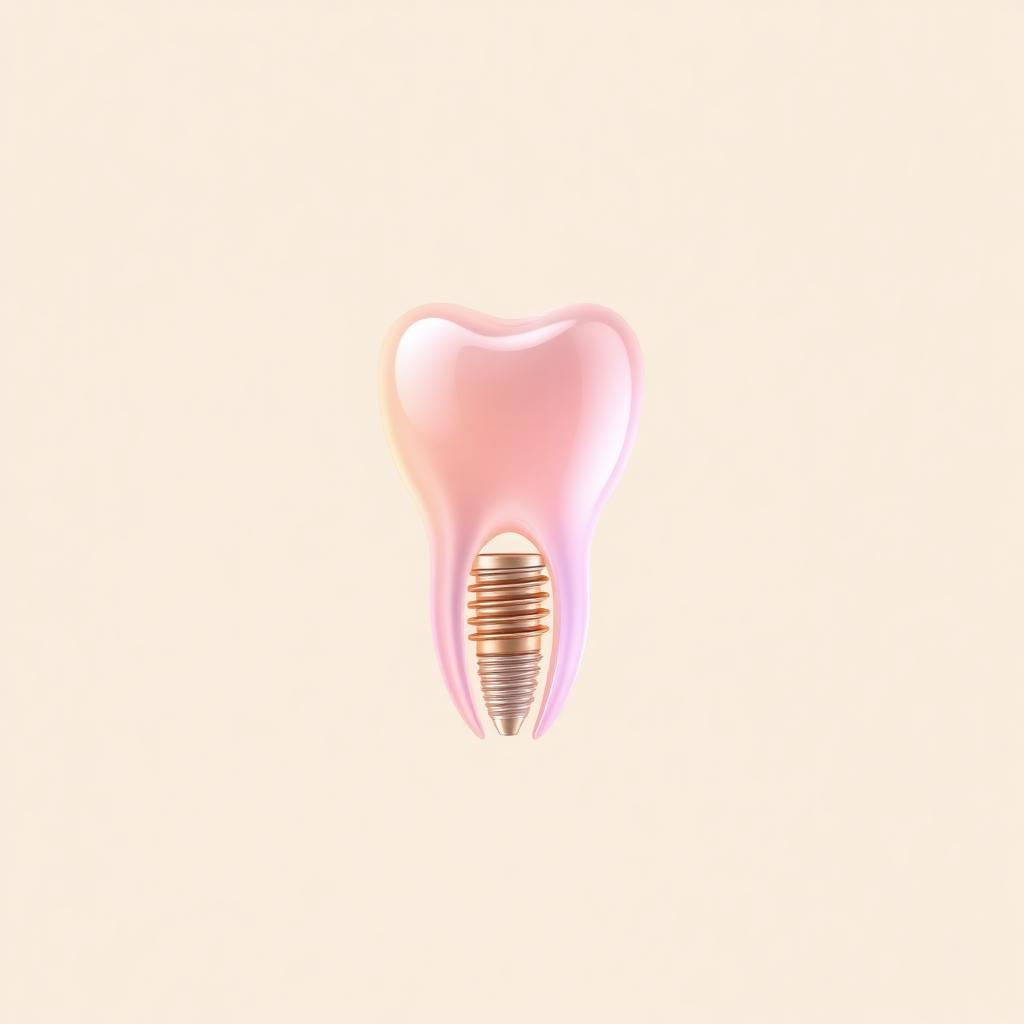
A crown rebuilds and protects a tooth you still have. A bridge replaces a missing tooth by anchoring to the teeth either side. An implant replaces the root itself and leaves neighbouring teeth untouched. The right answer depends on what's left of the tooth and the health of its neighbours.
| Crown | Bridge | Implant | |
|---|---|---|---|
| Used when | Tooth is present but weak | Tooth is missing | Tooth is missing |
| Neighbouring teeth | Untouched | Prepared and covered | Untouched |
| Typical timeline | 2 visits | 2–3 visits | Several months |
| Typical lifespan | 10–15 years+ | 10–15 years | Decades, crown sooner |
| Bone preservation | N/A | No | Yes |
How we decide with you
- 1Assessment and radiographs to see how much healthy tooth structure remains.
- 2Check the neighbouring teeth — if they're pristine, we're reluctant to prepare them for a bridge.
- 3Discuss timeframe, budget and how much treatment you want to take on.
- 4Written options with fixed costs, so you can decide without pressure.
Crowns, bridges & root canal: your questions on this topic
Is a bridge cheaper than an implant?
Usually upfront, yes. Over twenty years the difference narrows, because bridges are typically replaced more often.
Will a crown look obvious?
No — private crowns are shade-matched and shaped to blend with your natural teeth.
Can I have an implant years after losing a tooth?
Often yes, though bone may have shrunk. A scan tells us whether grafting is needed.
Go deeper